Trade remedies and CBAM: two big challenges for steel exports
Anti-dumping duties, safeguards, anti-circumvention investigations and the EU's Carbon Border Adjustment Mechanism. What steel exporters need to understand and prepare.
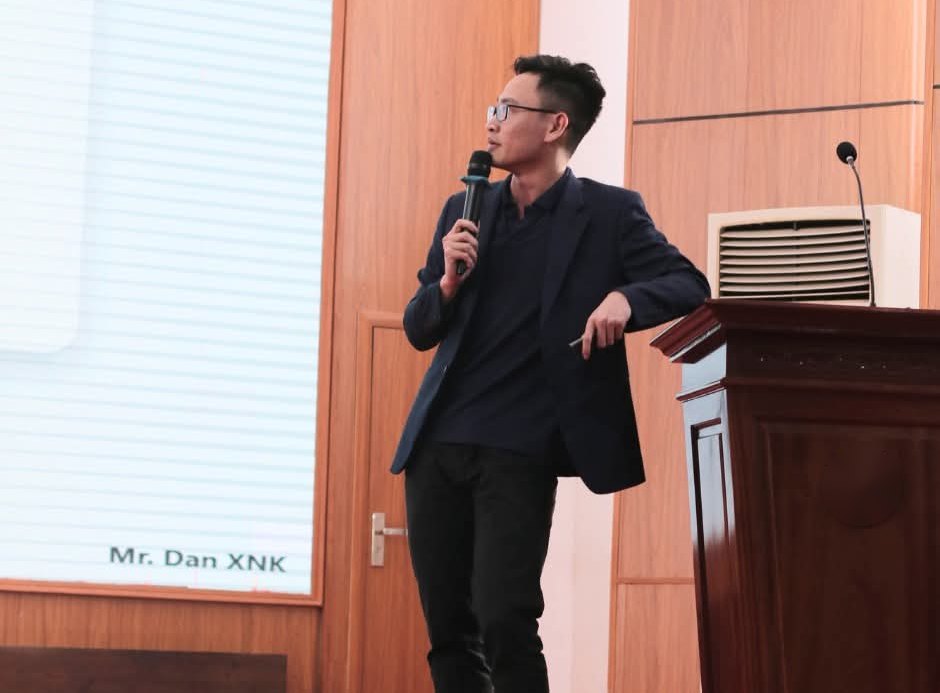
Mr. Dan10+ years of export experience
Steel exports face two groups of barriers: traditional trade remedies and new rules on carbon emissions.
Trade remedies
- Anti-dumping: duties imposed when the importing country considers goods are sold below normal value, injuring its domestic industry.
- Countervailing: duties imposed when goods are considered to benefit from improper subsidies.
- Safeguards: quotas or extra duties applied to all imports when imports surge.
- Anti-circumvention: duties on goods considered to be routed through a third country to avoid duties.
Vietnamese steel has been, and still is, the subject of many investigations in markets such as the US, the EU, Canada, Australia, India and ASEAN countries. Some markets also impose separate tariffs on imported steel on national security grounds.
What businesses should do
- Follow alerts from the Trade Remedies Authority under the Ministry of Industry and Trade and the steel association.
- Cooperate fully in investigations: answer questionnaires on time and be transparent with data. Companies that don't cooperate usually get the highest duty rate.
- Keep tight records and documents on costs, prices and raw material sources to prove your case.
- Diversify markets to reduce dependence.
The EU's CBAM
- The Carbon Border Adjustment Mechanism (CBAM) covers iron and steel, aluminium, cement, fertilisers, hydrogen and electricity imported into the EU.
- The transitional phase from October 2023 to the end of 2025 required emissions reporting. From 2026, EU importers begin to bear a financial obligation for the emissions embedded in imports, on the timeline set by the EU.
- EU importers will ask suppliers for the emissions data of their products.
Preparing for CBAM
- Measure and inventory your plant's greenhouse gas emissions using EU-accepted methods.
- Keep data by product and by lot.
- Invest in low-emission technology and clean energy for long-term competitiveness.
These rules are detailed and change over time. Refer to the official guidance and specialist advisers when building your system.