AI for drafting and reviewing contracts: how far is safe?
AI can draft, explain clauses and flag unfavourable terms. But high-value contracts still need a lawyer. Where to draw the line.
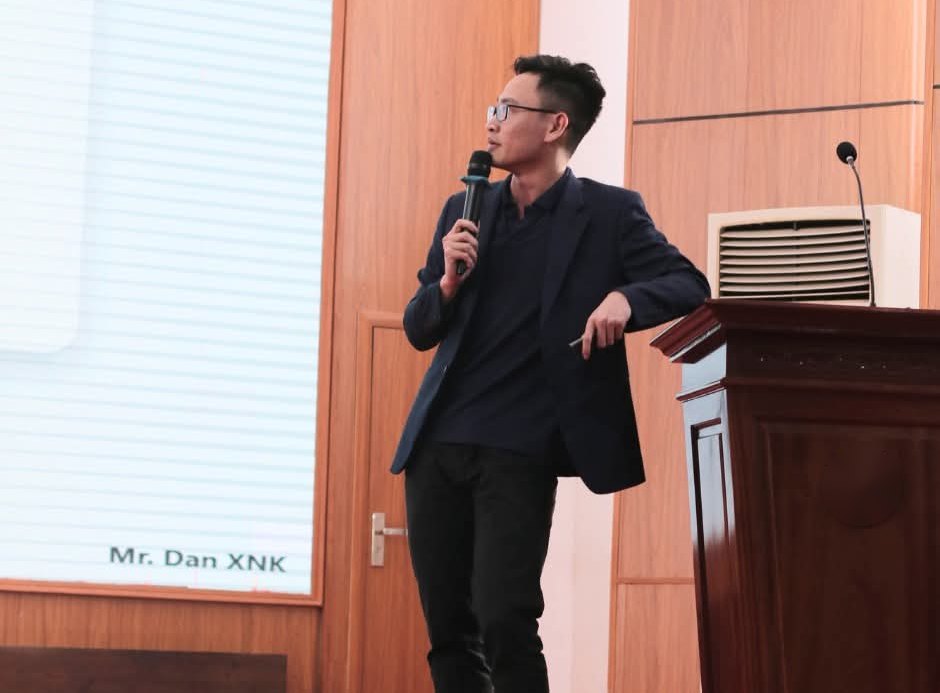
Mr. Dan10+ years of export experience
English-language international contracts full of legal terms are a challenge for small businesses. AI can be a useful assistant, as long as you know its limits.
What AI can help with
- Explaining clauses in plain language.
- Flagging clauses that are unfavourable to the seller in the buyer's template.
- Comparing the buyer's contract with your standard template.
- Drafting clauses on request: quality, delivery, payment, force majeure.
- Checking consistency: quantities, prices and dates across clauses and annexes.
Sample prompt
I am the seller (exporting from Vietnam). Review the sales
contract below and:
1. List the clauses unfavourable to the seller and explain why.
2. Suggest amendments to make them more balanced.
3. Point out clauses missing compared with a complete export
   contract (tolerance, inspection, claims, force majeure,
   governing law, arbitration).
Present it as a table.
Limits
- AI may misunderstand the governing law or give inaccurate or outdated legal information.
- AI takes no legal responsibility for its advice.
- Mask sensitive information (partner names, values, accounts) before using free tools.
When you need a lawyer
- High-value, long-term, exclusive or agency contracts.
- When there's a dispute or signs of one.
- Arbitration and governing law clauses from countries you're not familiar with.
Using AI to prepare better before working with a lawyer saves time and advisory fees.